Tesamorelin changed deep belly fat in HIV studies and was also tested for memory.
Start with the scans and the liver growth test called IGF-1. Then see how the medicine works and where proof runs out.
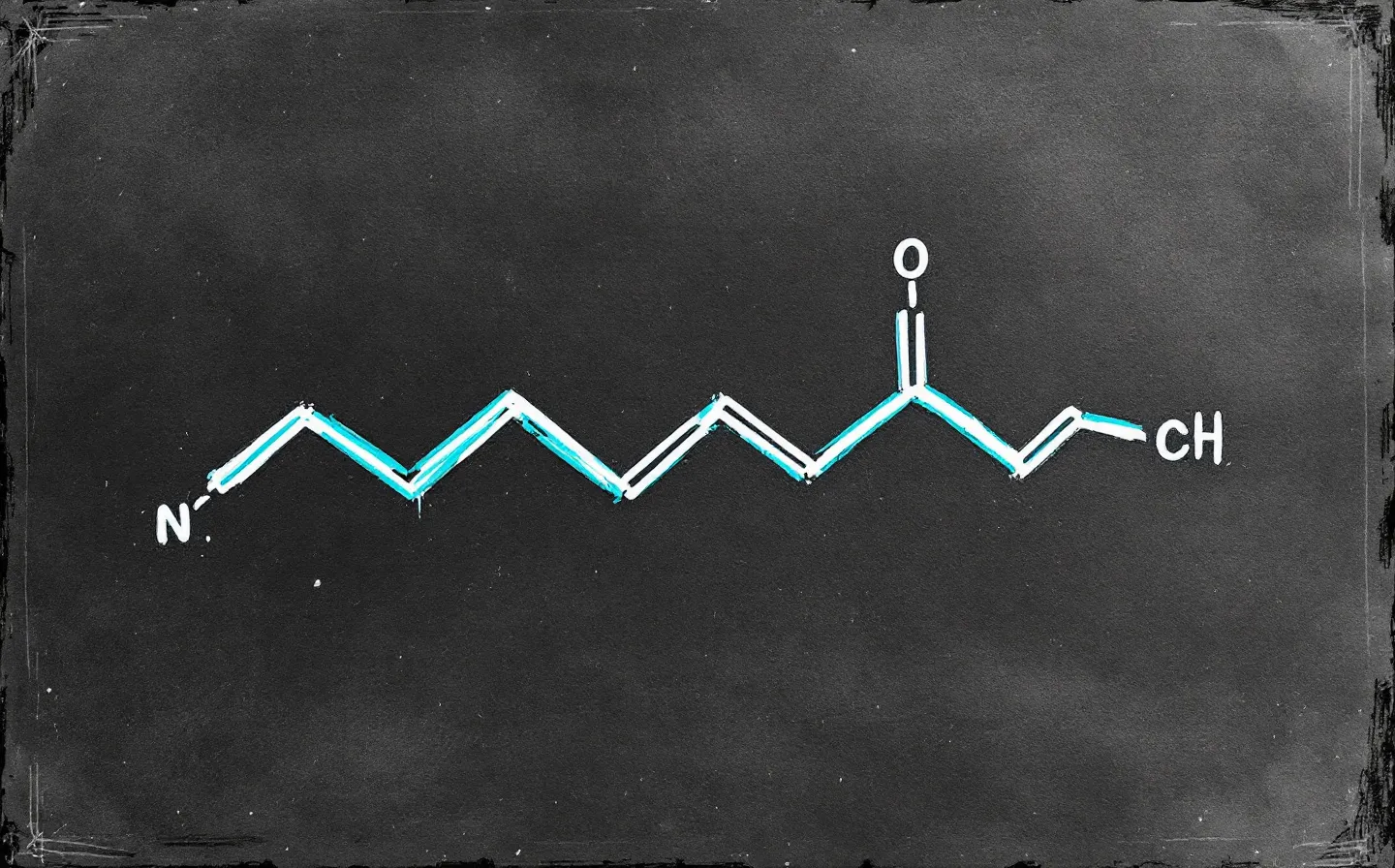
What the studies measured first
Researchers scanned fat behind the stomach in adults receiving HIV care while also checking IGF-1, a liver growth test, to track the medicine's effects in both places. Tesamorelin lowered that fat, but it wasn't tested for ordinary weight loss. That's the first limit I'd remember.
Tesamorelin copies a short brain message meant for your growth gland. In reply, the gland sends bursts of your own growth hormone through the blood. The added piece gives the medicine time to deliver that message before your body breaks it down.
FDA approval is limited to one purpose. The drug treats a belly-fat change linked to HIV medicines. Wider uses aren't approved, and research powder isn't made for people to use.
What lets tesamorelin stay in the body long enough to work
Tesamorelin copies the brain's message to the growth gland. A small added piece keeps your body from breaking it down too soon [1]. The same source found that this change slows the breakdown [1]. You don't need the long chemical name to discuss care.
Lab staff use a formula, weight, and record number to name the exact substance, but those entries can't show whether the medicine will help you during real treatment. Your doctor would check the approved pharmacy drug instead. You wouldn't be asked to read those lab details from a bottle.
FDA approved one use in 2010. Two human studies came from the last of 3 main testing steps before approval [3][4]. The approval covers one HIV-related fat problem, not every claim you may hear. Research powder isn't the finished drug a pharmacy supplies.
When you're weighing a claim, ask which study used the approved drug. Ask if the study volunteers faced health needs much like yours. Those questions may save you time and money.
What tesamorelin changed in scans and blood tests
A 26-week study followed 412 adults with HIV and extra belly fat. It was the last of 3 main testing steps before approval. Those receiving tesamorelin 2 mg/day had a drop on the deep-fat scan. The placebo group, which got no tesamorelin, gained some [3].
A different study found a small drop in liver fat [5]. In the first study, a liver-made growth protein called IGF-1 rose in the blood [3]. The IGF-1 rise showed the drug had caused the expected response. It doesn't set a safe blood result for you.
In 2026, five treatment-comparison studies were brought together. Both the deep-belly and liver-fat readings fell [13]. Those group results can't predict your scan. Only your doctor can judge the result alongside your health.
What tesamorelin changes at the gland and on the IGF-1 liver test
At the base of your brain, tesamorelin reaches a small gland. The medicine asks cells there to act [2]. Your own growth hormone then moves through the blood in its usual bursts. Ready-made hormone is a different kind of treatment.
In response, your liver produces IGF-1, a growth protein measured in blood. IGF-1 and growth hormone help turn some stored fat into fuel [2]. Scans showed the clearest change behind the stomach. Your doctor may watch both the blood test and scans over time.
Tesamorelin asks your body to release its own hormone [9]. You won't need another lab term to understand that point. A small added piece slows the drug's breakdown [1]. That gives the message more time, but it doesn't widen the approved use.
Why tesamorelin isn't a steroid
Tesamorelin and a steroid are different kinds of medicine. Tesamorelin is built from small protein pieces. A steroid has a set of fat-like rings instead. Your body doesn't use the two in the same way.
The medicine acts at the growth gland, causing your own hormone to rise [2]. It doesn't supply that hormone from outside. It also doesn't work like steroids used to build muscle. Your doctor can explain why that matters with your other medicines [9].
Does FDA approve tesamorelin for any other use?
FDA approved tesamorelin for one use in 2010 [6]. The use covers adults with HIV whose medicines caused a belly-fat change. It doesn't include common weight loss or anti-aging care. Sports and fatty liver disease aren't covered either.
Rules for organized sport ban tesamorelin both during and outside competition. If a clinic discusses another use, ask what proof supports it. Ask as well what remains unknown. One approved purpose can't prove every wider claim.
Which tesamorelin studies answer your main questions
Two reports came from the last of 3 main testing steps before approval [3][4]. They followed people treated for HIV and measured deep belly fat. A separate study looked at liver fat [5], while one watched hormone changes in healthy men [7]. Older adults took part in memory and brain-scan studies [8][10].
The broadest review came in 2026 and combined five treatment-comparison studies [13]. Its firmest findings were lower deep-fat scans and a higher liver growth test called IGF-1. The memory result came from one study. That question isn't settled.
You can check each source for yourself. Look at the people enrolled and the study's length. Ask whether their age and health were much like yours.